
Who We Are at HungryGen Spokane
HungryGen Spokane is a church in Spokane that exists to lead people to encounter God daily.
Meet the team
Campus pastors

Bryson and Priscilla Still
As the campus pastors of HungryGen Spokane, we are passionate about seeing lives transformed through the power of Jesus Christ. Our mission is to disciple and raise up believers who are not only devoted to Jesus but are also called to be kingdom ambassadors, impacting their communities with the love and truth of the gospel. We are committed to seeing nothing less than city transformation in the name of Jesus. We believe that Jesus is the only way and that by seeking first His kingdom, everything else in life will fall into place. Our heart is to raise a generation of passionate followers who are completely sold out for Jesus, living with purpose and dedication as they advance His kingdom on earth.
— Pastor Bryson & Priscilla
Team leads
-
Worship Leaders
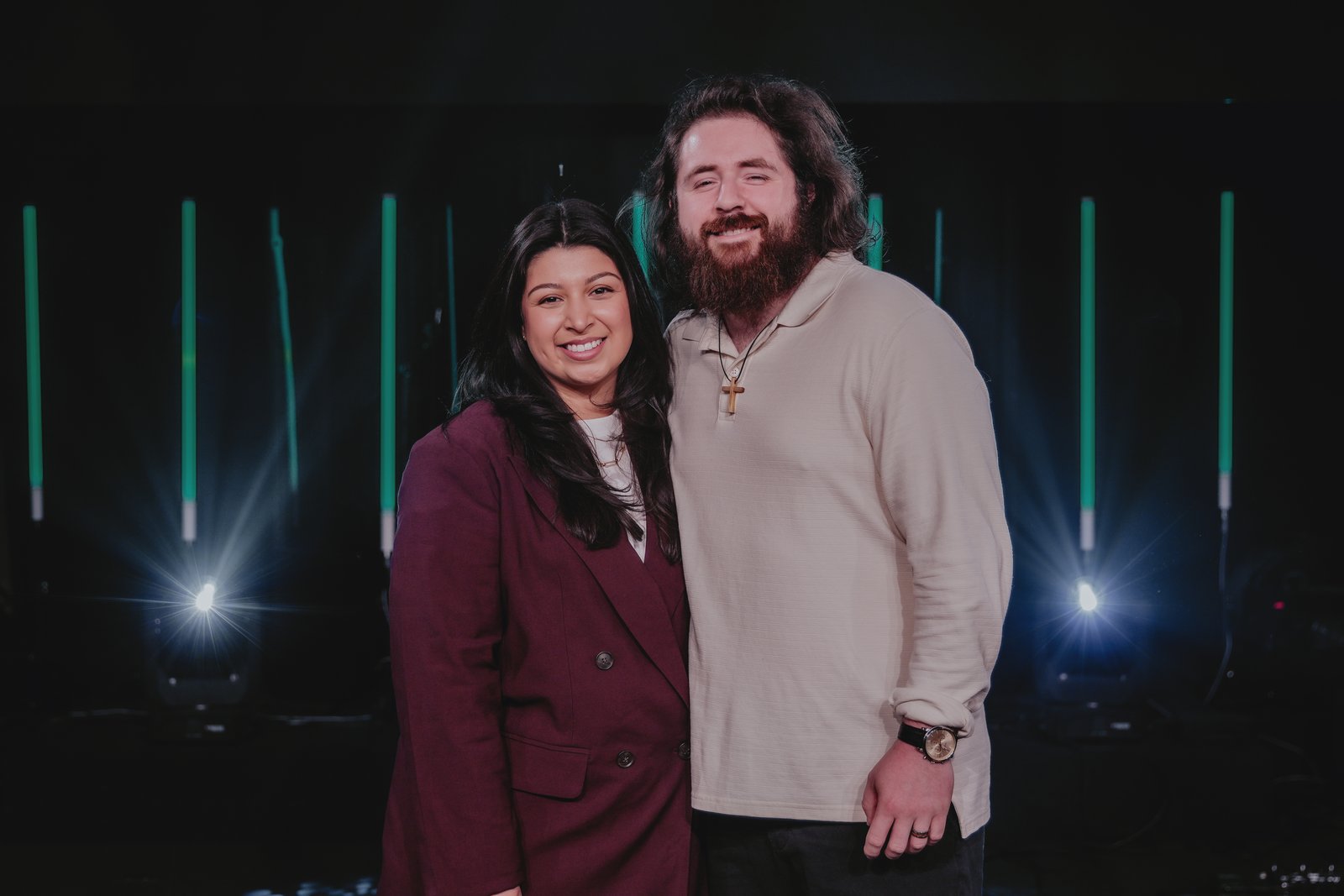
Adrian & Shara

Our campuses
HungryGen Spokane is part of a family of churches, with campuses in the Tri-Cities, Everett, Renton, and Yakima, Washington, as well as Portland, Oregon, and Sacramento, California.
Declaration of Faith
These are the beliefs of HungryGen, a church in Spokane.
Core Beliefs
Core beliefs are truths we hold firmly and would never compromise. Tap a belief to read the full statement and Scripture.
The BibleThe Bible is inspired by God and is our true and trustworthy guide for faith and life.
Scripture: 2 Timothy 3:15–17; 1 Thessalonians 2:13; 2 Peter 1:21
TrinityThere is one true God, the Creator and Redeemer, who has revealed Himself as Father, Son, and Holy Spirit.
Scripture: Deuteronomy 6:4; Isaiah 43:10–11; Matthew 28:19; Luke 3:22
Jesus ChristJesus Christ is the eternal Son of God, born of a virgin, sinless in life, mighty in works, crucified for our sins, raised bodily from the dead, and exalted at God’s right hand.
Scripture: Matthew 1:23; Luke 1:31, 35; Hebrews 7:26; 1 Peter 2:22; Acts 2:22; Acts 10:38; 1 Corinthians 15:3–4; 2 Corinthians 5:21; Matthew 28:6; Luke 24:39; Acts 1:9–11; Acts 2:33; Philippians 2:9–11; Hebrews 1:3
SinMan was created good, but through sin fell from God and came under both physical and spiritual death.
Scripture: Genesis 1:26–27; Genesis 2:17; Genesis 3:6; Romans 5:12–19
SalvationSalvation is found only through Jesus Christ and His shed blood.
Scripture: Luke 24:47; John 3:3; Romans 10:13–15; Ephesians 2:8; Titus 2:11; Titus 3:5–7
The Second Coming of Jesus ChristJesus Christ will return visibly and triumphantly, raise the dead in Christ, gather His people to Himself, and establish His millennial reign of peace.
Scripture: 1 Thessalonians 4:16–17; Romans 8:23; Romans 11:26–27; Titus 2:13; 1 Corinthians 15:51–52; Zechariah 14:5; Matthew 24:27, 30; Revelation 1:7; Revelation 19:11–14; Revelation 20:1–6; Ezekiel 37:21–22; Zephaniah 3:19–20; Isaiah 11:6–9; Psalm 72:3–8; Micah 4:3–4
Distinct Beliefs
Distinct beliefs are convictions we hold with strong confidence and believe are well-supported by Scripture. Christians differ on these matters, but these are the convictions you will regularly hear in our preaching and see in our ministry.
The Prayer LanguageSpeaking in tongues is a gift of the Holy Spirit where a believer prays or worships God in a Spirit-given language, bypassing the natural mind to connect with God at a deeper level.
Scripture: Acts 1:8; Acts 2:4; Acts 10:44–46; Acts 19:6; 1 Corinthians 14:2, 4, 27–28
Israel and the ChurchGod has not rejected or replaced Israel with the Church; His covenants with Israel still stand, and the Church is not the new Israel.
Scripture: Exodus 4:22–23; Romans 11:1–2, 18–20, 29; Genesis 12:3; Psalm 122:6; Zechariah 2:8
Women in MinistryWomen are fully called and gifted by God to serve in ministry leadership, including preaching and pastoring.
Scripture: Joel 2:28; Acts 2:17; John 4:7–30; Luke 10:38–42; John 20:1–18; Judges 4:4; 2 Kings 22:14; Acts 21:8–9; Romans 16:7; Acts 18:26
Deliverance for BelieversA believer's spirit belongs to God, yet demons may oppress areas of the soul or flesh when given access through ancestral bondage, willful sin, or unhealed trauma; therefore, repentance and deliverance are necessary.
Scripture: Ephesians 4:27; 2 Corinthians 7:1; James 4:7; Mark 16:17; Luke 13:11–16
Conditional SecurityWe reject both extremes — the idea that salvation can never be lost no matter how one lives, and the fear that every sin forfeits it. Instead, we believe salvation is by grace, kept through ongoing faith, and evidenced by a life of obedience to Christ.
Scripture: Ephesians 2:8–9; Romans 11:22; Hebrews 6:4–6; 2 Peter 2:20–22; Matthew 24:13
The End TimesWe believe the rapture, tribulation, Antichrist, and thousand-year reign of Christ are all real, future events. We hold to the post-tribulation view, meaning the rapture and second coming are one event that happens after the tribulation.
Scripture: Matthew 24:29–31; 1 Thessalonians 4:16–17; 1 Corinthians 15:51–52; 2 Thessalonians 2:1–4; Revelation 19:11–14; Revelation 20:1–6
Commonly Asked Questions
These official questions and answers are also collected, along with more visiting and church-life questions, on our FAQ page.
Visiting Faith & beliefs Church life Plan a visit
Which Bible translation do you use?
Hungry Generation teachers have different preferences and use translations ranging from word-for-word (like NKJV, NASB, and ESV) to thought-for-thought (like NIV and NLT). Pastor Vlad prefers to preach and teach from the New King James Version (NKJV). We believe it, alongside many others, provides a faithful and accurate translation of the original biblical languages while remaining clear and readable. We encourage people to compare other trusted translations as they study God's Word, since Scripture itself is our final authority.
Do you believe in the Trinity?
Yes. We believe there is one God who exists eternally as three distinct Persons: the Father, the Son, and the Holy Spirit. They are united as one God and equal in divine nature (Deuteronomy 6:4; Matthew 28:19; 2 Corinthians 13:14).
Is Jesus the only way to heaven?
Yes. We believe that Jesus is the only way to be reconciled to God and receive eternal life. Salvation cannot be earned through good works, religion, or personal effort. It is a gift of God's grace received through faith in Jesus Christ (John 14:6; Ephesians 2:8-9; Romans 10:13). The fruit of salvation is obedience and righteousness.
Salvation and Eternity
Can a Christian lose their salvation?
We believe salvation is a gift of God's grace received through faith in Jesus Christ (Ephesians 2:8-9). Scripture encourages believers to remain faithful, endure to the end, and respond quickly to God's correction when they stumble (Matthew 24:13; Hebrews 6:4-6; 1 John 1:9). Our confidence is found in Christ as we continue walking with Him in faith and repentance. Each person's free will means they can reject the offer of salvation and faith, rebel, and refuse repentance.
How do you view predestination and free will?
We believe God is sovereign, all-knowing, and actively involved in our lives. We also believe He gives people the genuine ability to respond to Him and choose to follow Him (Deuteronomy 30:19). God desires all people to be saved and come to the knowledge of the truth (1 Timothy 2:4). While God knows the end from the beginning, His foreknowledge does not remove our responsibility to respond to His invitation by faith (Romans 8:29; 2 Peter 3:9).
Is hell real?
Yes. We believe hell is a real and eternal place of judgment prepared “for the devil and his angels” and is the final eternal home for persons who reject God and His salvation. Jesus spoke about hell and warned people of its reality because He loves us and desires that no one perish. God wants everyone to come to repentance and receive eternal life through Jesus Christ (Matthew 25:41; Mark 9:43-48; 2 Peter 3:9).
Miracles, the Holy Spirit and Spiritual Warfare
Do miracles and healing still happen today?
Yes. We believe that all the gifts of the Holy Spirit, including healing, miracles, and deliverance, are still active today. We regularly pray for physical, emotional, and spiritual healing, and deliverance, and expect God to move according to His will (Hebrews 13:8; James 5:14-16; 1 Corinthians 12:7-11). We trust God regardless of the immediate outcome, continue to seek full restoration, and will experience it upon His return.
Do you have to speak in tongues to be saved?
No. Salvation comes through faith in Jesus Christ, not through speaking in tongues or any other spiritual gift (Romans 10:9-10; Ephesians 2:8-9). We believe every believer receives the Holy Spirit at salvation. We also believe the baptism in the Holy Spirit is a distinct empowering experience, and speaking in tongues is a common biblical evidence of that experience (Acts 2:4; Acts 19:6). We encourage believers to seek all that God has for them, while keeping our focus on a growing relationship with Jesus Christ (1 Corinthians 14:2-5).
Can a Christian have a demon?
We believe a Christian belongs to God and is sealed by the Holy Spirit (Ephesians 1:13-14). At the same time, believers can experience spiritual oppression and may need freedom in areas where the enemy has gained personal footholds through sin, wounds, or other openings (Ephesians 4:27). We believe Jesus gives believers authority to resist the devil, walk in freedom, and receive prayer and deliverance as needed and without fear or shame (James 4:7; Luke 10:19).
End Times and Israel
What is the rapture, and when do you believe it happens?
The rapture is the catching up of believers to meet the Lord as He returns (1 Thessalonians 4:17). We believe there is one visible return of Christ after the tribulation, one resurrection of the righteous, and one glorious appearing of our King. Jesus will gather His people, bring justice to the earth, and establish His reign (Matthew 24:29-31; 1 Thessalonians 4:16-17; Revelation 20:1-6).
Why do you hold a post-tribulation view?
Post-tribulation is a view held by many throughout church history, and we believe it fits Scripture best. The Bible speaks of only one second coming of Jesus, and it happens after the tribulation (Matthew 24:29–31). We find no clear biblical evidence that the Church will avoid the great tribulation, and the first resurrection takes place just before the thousand-year reign (Revelation 20:4–6), not before the tribulation. Paul also says that day won't come until the man of lawlessness is revealed (2 Thessalonians 2:1–4). Sincere Christians see this differently; it's a conviction we hold, not a test of fellowship. What matters most is that we're ready whenever He comes.
What do you believe about the millennial reign of Christ?
We believe Jesus Christ will return bodily and reign on earth for a thousand years (Revelation 20:4-6). Jerusalem will be the center of His kingdom, and the earth will experience unprecedented peace, justice, and righteousness under His rule (Isaiah 2:2-4; Isaiah 11:6-9). This reign demonstrates God's faithfulness in fulfilling His promises and preparing for the new heaven and new earth.
Since you believe God hasn't rejected Israel, do you support the Israeli government?
We believe God has not rejected Israel and that His covenant promises to the Jewish people remain in effect (Romans 11:1; 28-29). While we do not believe every action of Israel's leaders is beyond criticism, we recognize Israel's unique role in God's redemptive plan and reject the idea that the Church has replaced Israel (Romans 11:17-18). Just as God defended and corrected Israel throughout Scripture, He remains faithful to His covenant and prophetic purposes for the Jewish people (Jeremiah 31:35-37; Zechariah 12:2-3).
Church Life
Do I have to be baptized, and why by full immersion?
Baptism does not save you. Salvation comes through faith in Jesus Christ alone (Luke 23:42-43; Ephesians 2:8-9). However, baptism is an important act of obedience, a public declaration of faith, and a celebration of the new life we have in Christ. We baptize by full immersion because it follows the pattern we see in the New Testament and beautifully symbolizes being buried and raised with Christ (Matthew 3:16; Acts 8:38-39; Romans 6:4). It also reflects the Jewish practice of mikvah immersion, a biblical picture of repentance and spiritual renewal. We baptize in the name of the Father, the Son, and the Holy Spirit (Matthew 28:19).
What is communion, and who can take it?
Communion has its roots in the Passover meal Jesus shared with His disciples, where He identified the bread and cup with the New Covenant established through His sacrifice (Luke 22:19-20). When we take communion, we remember our redemption, celebrate our unity as God's redeemed family, and look forward to the return of our Messiah (1 Corinthians 10:16-17; 1 Corinthians 11:26). We believe the bread and cup remain what they are, yet Jesus is truly present with His people through the Holy Spirit as we receive communion in faith (Matthew 18:20). Communion is for believers in Jesus, who are called to examine themselves and participate with reverence and gratitude (1 Corinthians 11:28).
Can women pastor and preach here?
Yes. We fully affirm women in ministry and leadership, including preaching and pastoring. Women were central to Jesus' ministry: at His birth, faithful at the cross, and the first to proclaim His resurrection. The Holy Spirit's gifts aren't limited by gender: "I will pour out of My Spirit on all flesh; your sons and your daughters shall prophesy" (Acts 2:17, quoting Joel 2:28). Scripture shows women serving as judges (Deborah), prophets (Huldah, Philip's daughters), an apostle (Junia, Romans 16:7), and a teacher (Priscilla, Acts 18:26). Church history follows the same pattern, from revivalists to missionaries. We believe limiting women from ministry quenches the Spirit and silences half the Church's voice. We gladly recognize and affirm every woman God has called to preach, lead, and pastor.
Do I have to tithe, and where does the money go?
We teach the tithe, 10%, as a starting point for generosity, not a legalistic requirement. It predates the Law. Abraham gave a tenth to Melchizedek, the king of Salem, who points to Christ (Genesis 14:20; Hebrews 7), and Jacob vowed to do the same (Genesis 28:22). The Law of Moses later codified it, and Jesus corrected the legalism around it (Matthew 23:23) without throwing out the giving. Giving is the heart of the gospel, and tithing is a great place to start.
Hot Topics
What does HungryGen believe about abortion?
We believe an unborn child is a person with potential, not a potential person. Embryology shows that from conception a child is a distinct, living human being, with DNA that already sets gender and appearance. The differences between an unborn and a newborn child are location, size, dependency, and stage of development, not worth. Scripture agrees: when Mary visited Elizabeth, the baby in Elizabeth's womb leaped, and Elizabeth called the unborn Jesus "my Lord" (Luke 1:41–43).
What does HungryGen believe about marriage and homosexuality?
We believe marriage is between one man and one woman, and that homosexual practice is outside God's design for sexuality (Leviticus 18:22; 1 Corinthians 6:9–11). We also believe every person is born into sin, and that this sin is not one God can't forgive or deliver us from. Being tempted is not the same as living in it. Paul lists many sins in that passage and then says, "And such were some of you. But you were washed, but you were sanctified, but you were justified in the name of the Lord Jesus and by the Spirit of our God" (1 Corinthians 6:11). There is hope and help for anyone.
Are LGBTQ people welcome at HungryGen?
Yes. Everyone is welcome to come, and everyone will be loved. We also call every person, ourselves included, to repentance toward God and faith in Christ.
What is your view on divorce and remarriage?
We take Jesus' teaching here seriously, and it's hard. We believe the biblical grounds for divorce are adultery (Matthew 19:9) and abandonment by an unbeliever (1 Corinthians 7:15). Where there's abuse, we believe separation to protect a spouse or child is appropriate, and that it can be a step toward reconciliation. Outside those grounds, Jesus says remarriage is adultery, and we don't soften that. Remarriage is not considered adultery after the death of a spouse, after a faithful spouse's divorce for adultery, after an unbeliever deserts, or when a divorced couple reconciles with each other. For anyone who has been through a wrongful divorce, there is full forgiveness in the blood of Jesus. The consequences take time to heal, so we encourage counseling, community, and, where needed, deliverance.